Colors play a powerful role in art because they influence emotions, perceptions, and psychological responses almost instantly. Artists throughout history have carefully used colors to communicate deeper themes, moods, and symbolic messages within their work. Understanding color symbolism in art meaning helps viewers appreciate how painters, designers, and visual creators use color to express ideas beyond simple aesthetics. Different shades and tones can represent love, fear, sadness, energy, spirituality, or power depending on cultural and artistic context. Through strong visual psychology, colors become one of the most effective tools in emotional storytelling and artistic communication.
In modern visual culture, color symbolism extends far beyond traditional paintings. It now influences graphic design, filmmaking, advertising, branding, photography, and digital media. The study of art colors meaning allows creators to intentionally shape audience emotions and reactions using strategic color choices. Whether in classical artwork or modern visual media, understanding color symbolism in art meaning provides valuable insight into how colors affect interpretation, mood, and emotional engagement. As artistic expression continues evolving, color remains one of the most universal and emotionally impactful forms of visual communication.
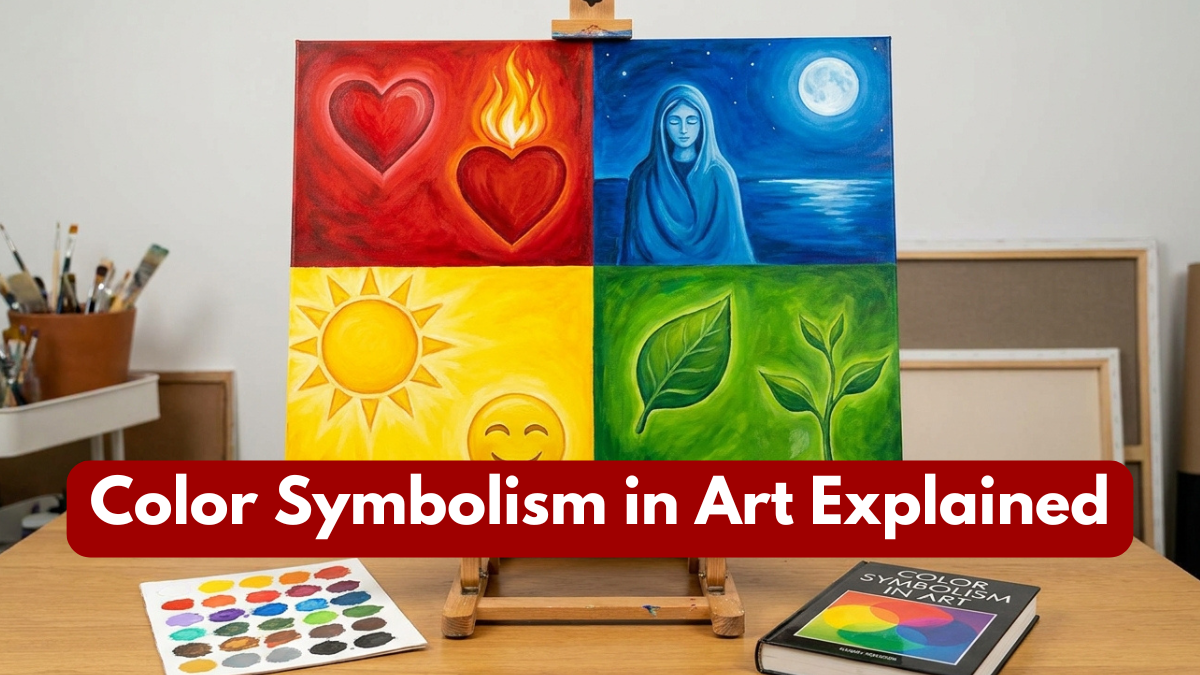
Understanding the Importance of Color Symbolism
Color symbolism refers to the emotional, cultural, and psychological meanings associated with different colors. Artists often use color intentionally to reinforce themes, shape mood, and communicate symbolic ideas. Effective use of visual psychology allows colors to influence how audiences emotionally experience artwork.
Colors can communicate:
- Emotional states
- Personality traits
- Cultural symbolism
- Spiritual themes
- Social and political ideas
Understanding color symbolism in art meaning helps viewers recognize why certain artworks create specific emotional reactions. Warm colors may generate feelings of passion or excitement, while cooler tones often create calmness or melancholy.
Throughout history, artists have relied on symbolic color usage to strengthen storytelling and emotional depth. Different cultures may also assign unique meanings to colors, adding further complexity to art colors meaning in global artistic traditions.
Common Color Meanings in Art
Different colors commonly represent specific emotions or symbolic concepts. Although interpretations may vary depending on culture and artistic context, many color associations remain widely recognized.
| Color | Common Symbolic Meaning | Emotional Effect |
|---|---|---|
| Red | Passion, danger, power | Intensity and excitement |
| Blue | Calmness, sadness, wisdom | Peace and reflection |
| Yellow | Happiness, energy, caution | Optimism and attention |
| Green | Nature, growth, balance | Harmony and renewal |
| Black | Mystery, death, elegance | Fear or sophistication |
| White | Purity, innocence, peace | Simplicity and clarity |
These examples demonstrate how art colors meaning influences emotional interpretation within visual works. Artists strategically combine colors to create complex emotional experiences and symbolic narratives.
The study of color symbolism in art meaning also reveals how visual composition affects storytelling. Even subtle color shifts can dramatically change how audiences interpret a scene or character.
The Role of Visual Psychology in Art
One of the most important aspects of artistic color theory is visual psychology. This field studies how colors affect human emotions, thoughts, and behavior. Artists, marketers, designers, and filmmakers all use color psychology to shape audience reactions.
Strong visual psychology can influence:
- Emotional mood
- Attention and focus
- Perceived energy
- Memory retention
- Emotional associations
For example, darker tones may create tension or sadness, while bright colors often create feelings of joy or energy. Understanding color symbolism in art meaning allows artists to intentionally guide audience emotions through visual design.
In many artistic traditions, color combinations are carefully selected to reinforce themes and symbolism. Renaissance painters frequently used deep blues and gold tones to symbolize spirituality and divine authority. Modern artists may use contrasting colors to represent conflict or emotional instability.
This relationship between art colors meaning and emotional response makes color one of the most powerful storytelling tools in visual media.
How Different Art Movements Use Color Symbolism
Various art movements throughout history have used color symbolism differently depending on their themes, philosophy, and creative goals.
| Art Movement | Color Usage Style | Symbolic Purpose |
|---|---|---|
| Impressionism | Soft natural colors | Capturing mood and light |
| Expressionism | Intense distorted colors | Emotional intensity |
| Surrealism | Unusual color contrasts | Dreamlike symbolism |
| Pop Art | Bright bold colors | Consumer culture commentary |
| Abstract Art | Emotional color focus | Personal interpretation |
Understanding color symbolism in art meaning becomes easier when examining how artists from different movements approached visual expression. Expressionist painters often exaggerated colors to communicate emotional suffering or psychological tension.
Modern digital artists and filmmakers also rely heavily on visual psychology to shape audience perception. Color grading in films, for example, influences mood, realism, and emotional atmosphere.
Different artistic movements demonstrate how flexible and powerful art colors meaning can be across creative disciplines.
Cultural Differences in Color Symbolism
Color meanings are not universal. Different societies and traditions interpret colors in unique ways based on history, religion, and cultural beliefs. This cultural variation adds depth and complexity to color symbolism in art meaning.
Examples of cultural color interpretations include:
- White symbolizes purity in some cultures but mourning in others
- Red may represent luck, love, or danger depending on context
- Black can symbolize elegance or grief
- Green often represents nature but may also symbolize wealth
Artists frequently use cultural symbolism to communicate deeper meanings within their work. Understanding these cultural influences improves interpretation of art colors meaning in international art traditions.
Strong visual psychology also considers how audiences from different backgrounds emotionally respond to color combinations. This is especially important in global media, advertising, and digital design.
Color Symbolism in Modern Media and Design
Today, color symbolism influences far more than traditional painting. Modern industries such as branding, filmmaking, photography, gaming, and advertising heavily rely on color psychology and symbolic color choices.
Modern uses of color symbolism in art meaning include:
- Brand identity design
- Movie color grading
- Website visual design
- Product packaging
- Social media aesthetics
For example, luxury brands often use black and gold to represent sophistication and exclusivity, while technology companies frequently use blue tones to suggest trust and reliability.
Filmmakers use visual psychology to create emotional atmosphere throughout scenes. Horror films often rely on dark desaturated colors, while romantic films may use warmer tones to enhance emotional intimacy.
The growing importance of digital media has expanded the influence of art colors meaning across nearly every form of visual communication.
How Artists Use Color to Strengthen Storytelling
Color is often used as a storytelling device rather than simply decoration. Skilled artists use color transitions and symbolic palettes to reflect character emotions, narrative progression, or thematic conflict.
Important storytelling functions of color include:
- Representing emotional transformation
- Creating visual contrast
- Symbolizing internal conflict
- Guiding audience attention
- Reinforcing narrative themes
For example, a character surrounded by cold blue tones may symbolize loneliness or emotional distance. As the story progresses, warmer colors may appear to reflect healing or emotional connection.
This connection between visual psychology and storytelling demonstrates why understanding color symbolism in art meaning is valuable for artists, designers, and filmmakers alike.
Conclusion
Understanding color symbolism in art meaning allows viewers and creators to appreciate the emotional and psychological power of visual communication. Through strategic use of art colors meaning, artists can shape mood, reinforce themes, and create deeper emotional connections with audiences. Colors influence interpretation in subtle yet powerful ways, making them essential tools in artistic storytelling and design.
The principles of visual psychology continue influencing modern art, filmmaking, branding, and digital media. As visual culture evolves, color symbolism remains one of the most effective and universal methods for communicating emotion, meaning, and creative expression across artistic disciplines.
FAQs
What is color symbolism in art?
Color symbolism in art meaning refers to the emotional and thematic meanings associated with different colors in visual works.
Why is visual psychology important in art?
Visual psychology helps artists influence emotions, mood, and audience perception through strategic color use.
What does red symbolize in art?
Red commonly symbolizes passion, danger, power, love, or emotional intensity depending on context.
How do art colors meaning affect storytelling?
Art colors meaning helps strengthen emotional atmosphere, character symbolism, and thematic storytelling in visual art.
Why do different cultures interpret colors differently?
Cultural history, religion, traditions, and social values influence how societies assign symbolic meanings to colors.
Click here to learn more