Workplace surveillance tools have become increasingly common in modern organizations as employers seek greater visibility into how work is performed, especially in remote and hybrid environments. What once involved basic time tracking has expanded into sophisticated monitoring software capable of tracking keystrokes, screen activity, communications, and performance metrics. While these tools are often introduced with the goal of improving productivity, they have sparked intense debate around trust, transparency, and ethics. As organizations navigate digital transformation, the impact of workplace surveillance tools on employee morale and trust has become a critical issue that leaders can no longer ignore.
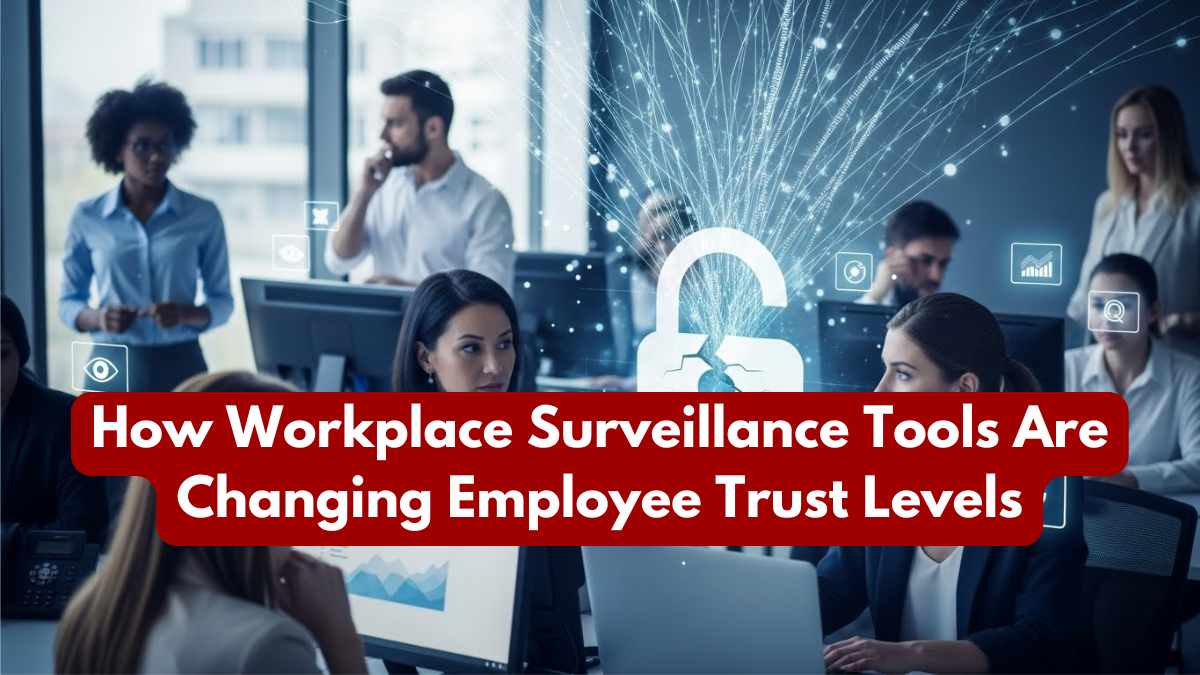
The Rapid Adoption Of Workplace Surveillance Tools
The adoption of workplace surveillance tools accelerated dramatically as remote work became widespread. Employers faced new challenges in managing distributed teams, leading many to deploy monitoring software to replicate oversight previously achieved in physical offices. These tools promise insights into workflow efficiency, time management, and task completion, positioning them as solutions to perceived productivity gaps.
However, the speed of adoption has often outpaced thoughtful implementation. Employees may not fully understand what data is collected or how it is used, creating uncertainty and anxiety. When workplace surveillance tools are introduced without clear communication, they can undermine trust rather than enhance productivity. This tension highlights the importance of aligning technological capability with organizational values and ethics.
Productivity Gains Versus Perceived Control
Supporters of workplace surveillance tools argue that data-driven insights help identify inefficiencies and support better decision-making. Monitoring software can reveal workload imbalances, highlight bottlenecks, and provide objective performance metrics. In theory, this information enables managers to support employees more effectively and improve overall productivity.
In practice, constant monitoring can feel intrusive. Employees may perceive surveillance as a lack of trust, leading to stress and disengagement. Research and workplace feedback suggest that excessive oversight can reduce creativity and intrinsic motivation. When workplace surveillance tools prioritize control over collaboration, the intended productivity benefits may be offset by declining morale and trust.
Ethics And Privacy Concerns In Employee Monitoring
The ethical implications of workplace surveillance tools are among the most contentious aspects of their use. Ethics come into question when monitoring extends beyond work-related activities or occurs without informed consent. Employees may feel their privacy is compromised, particularly when monitoring software tracks communications or behavior outside core working hours.
Ethical deployment requires clear boundaries. Organizations must define what data is collected, why it is necessary, and how it will be protected. Respecting privacy and adhering to ethical standards strengthens trust and demonstrates that workplace surveillance tools are intended to support, not control, employees. Transparency and proportionality are key to aligning surveillance practices with accepted ethics.
Trust And Organizational Culture
Trust is a foundational element of healthy workplace culture, and workplace surveillance tools can significantly influence it. When implemented thoughtfully, these tools can support accountability and fairness by applying consistent standards across teams. Employees may appreciate clarity around expectations and performance metrics when monitoring software is used openly and responsibly.
Conversely, opaque surveillance practices can erode trust quickly. Employees who feel constantly watched may disengage or seek employment elsewhere. The challenge for leaders is to integrate workplace surveillance tools into a culture of mutual respect, where data supports growth rather than punishment. Balancing productivity goals with human-centered management is essential for long-term success.
Legal And Policy Considerations
Beyond trust and ethics, legal considerations also shape the use of workplace surveillance tools. Employment laws in many regions require disclosure and limit the scope of monitoring. Failure to comply can result in legal disputes and reputational damage. Organizations must ensure that monitoring software aligns with local regulations and internal policies.
Clear policies help set expectations and protect both employers and employees. Written guidelines outlining acceptable use, data retention, and employee rights reinforce ethical practices. As laws evolve alongside technology, organizations using workplace surveillance tools must remain proactive in reviewing and updating their approaches to monitoring and productivity management.
Key Impacts Of Workplace Surveillance Tools On Employees
- Increased visibility into work patterns
- Potential improvements in productivity
- Heightened concerns about privacy and ethics
- Shifts in trust between employees and management
- Greater need for transparent communication
Table: Benefits And Risks Of Workplace Surveillance Tools
| Aspect | Potential Benefit | Potential Risk |
|---|---|---|
| Productivity | Data-driven performance insights | Stress and burnout |
| Monitoring Software | Objective metrics | Perceived micromanagement |
| Trust | Clear expectations | Erosion of employee confidence |
| Ethics | Accountability | Privacy violations |
| Culture | Standardized evaluation | Reduced autonomy |
Best Practices For Ethical And Effective Use
To minimize negative outcomes, organizations should adopt best practices when implementing workplace surveillance tools. These include involving employees in discussions, explaining the purpose of monitoring software, and focusing on outcomes rather than constant activity tracking. Emphasizing support and development over punishment helps align surveillance with positive ethics.
Training managers to interpret data responsibly is equally important. Metrics should inform conversations, not replace human judgment. When employees understand that workplace surveillance tools exist to enhance collaboration and productivity, trust is more likely to be maintained.
Conclusion
The growing use of workplace surveillance tools reflects broader shifts in how work is organized and measured in the digital age. While monitoring software can offer valuable insights into productivity, its impact on trust and ethics depends largely on how it is implemented. Organizations that prioritize transparency, respect privacy, and align surveillance with supportive management practices are better positioned to maintain healthy employee relationships. Ultimately, the future of workplace surveillance tools will be defined not just by technology, but by the values guiding their use.
FAQs
What are workplace surveillance tools?
workplace surveillance tools are technologies used to monitor employee activity, performance, and work patterns.
Do monitoring software tools improve productivity?
monitoring software can support productivity when used responsibly, but excessive monitoring may have the opposite effect.
Are workplace surveillance tools ethical?
Their ethics depend on transparency, consent, and respect for employee privacy.
Can surveillance tools damage employee trust?
Yes, poor implementation of workplace surveillance tools can erode trust and morale.
How should companies introduce surveillance tools?
Organizations should communicate openly, define clear policies, and align workplace surveillance tools with ethical standards.
Click here to learn more