As human development expands across natural landscapes, the need for effective wildlife corridors has become increasingly urgent. Roads, farms, cities, and industrial zones often separate habitats that animals once freely traveled through. This fragmentation disrupts essential animal migration patterns, putting species at risk and threatening ecological balance. Wildlife corridors serve as safe passageways that reconnect these divided habitats, allowing animals to move safely in search of food, shelter, and breeding grounds. These corridors are now recognized as a crucial solution for protecting biodiversity in an increasingly urbanized world.
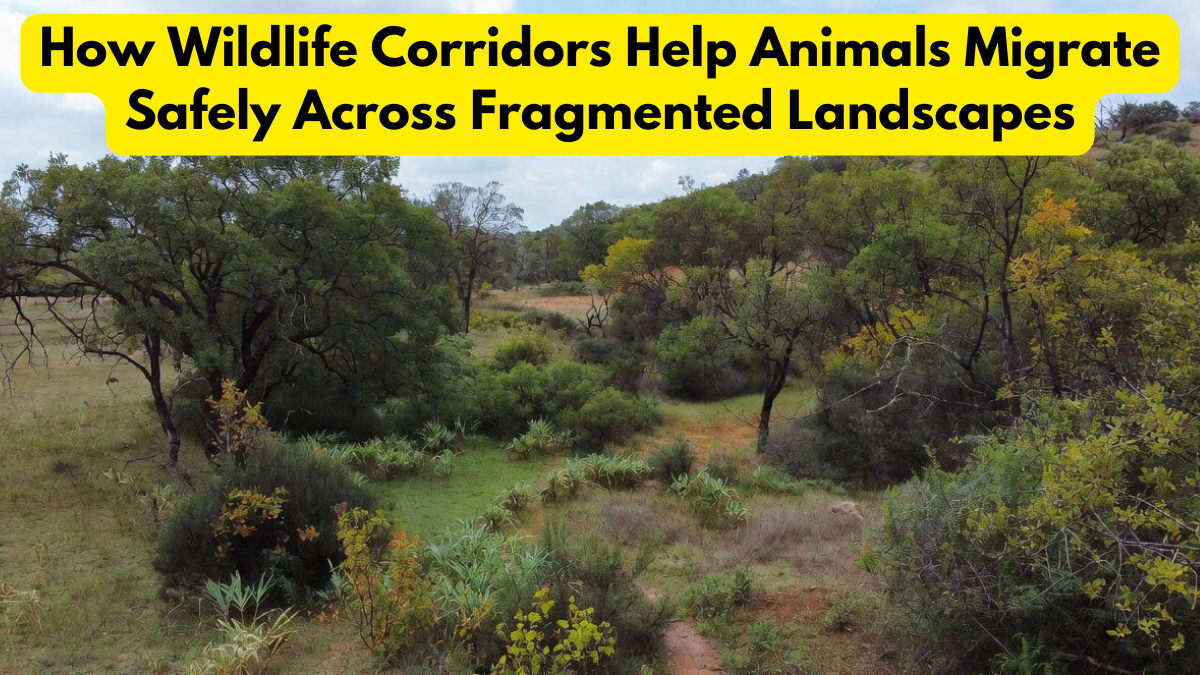
Why Wildlife Corridors Are Essential for Animal Movement
Many species rely on long-distance travel for survival. Seasonal animal migration enables them to access resources, escape harsh climates, and maintain healthy genetic diversity. However, when habitats become separated by human-made barriers, animals face dangerous obstacles that can lead to injury or population decline.
Wildlife corridors help address this issue by creating safe routes that restore natural movement patterns. These corridors reduce the risks of vehicle collisions, limit human-wildlife conflict, and support the stability of migratory species. By reconnecting ecosystems, wildlife corridors allow nature to function as it was intended.
Types of Wildlife Corridors and Their Impact
Different landscapes require different corridor designs, depending on the species and region. Some corridors are simple passageways, while others are large protected zones connecting diverse habitats. Regardless of the type, wildlife corridors play a vital role in supporting animal migration and overall ecosystem health.
Below is a table showing common types of wildlife corridors and their benefits:
| Type of Wildlife Corridor | Description | Benefit for Animal Migration |
|---|---|---|
| Land Bridges | Vegetation-covered overpasses above roads | Safe crossing for mammals and large wildlife |
| Underpasses and Tunnels | Pathways beneath highways | Reduced collision risks for small and medium animals |
| River Corridors | Protected areas along waterways | Natural migration route for aquatic species |
| Protected Habitat Strips | Long stretches of conserved land | Encourages free movement across fragmented areas |
| Urban Green Belts | Green zones within city limits | Allows limited urban animal migration |
These designs help animals adapt to human-altered landscapes, ensuring safer and more successful migration journeys.
How Wildlife Corridors Support Ecosystem Health
Beyond enabling animal migration, wildlife corridors contribute to the overall health of ecosystems. When animals can move freely between habitats, they help distribute seeds, control prey populations, and maintain natural cycles. This biodiversity strengthens ecosystems and makes them more resilient to climate change.
Additionally, wildlife corridors reduce genetic isolation by allowing different populations of animals to interbreed. This genetic diversity helps species adapt to environmental changes and reduces the risk of disease outbreaks. Healthy, connected ecosystems benefit both wildlife and humans, making corridors essential for long-term conservation.
Community Involvement and Global Conservation Efforts
Local communities, governments, and environmental organizations worldwide support the development of wildlife corridors. Farmers adjust land-use practices, cities design green spaces, and conservation groups collaborate to identify key migration routes. These efforts make animal migration safer and more predictable, encouraging coexistence between people and wildlife.
Global initiatives also promote research, funding, and policy development to protect migratory species. International cooperation is especially important for species that cross national borders, ensuring that wildlife corridors remain functional throughout their entire migration journey.
Conclusion
Wildlife corridors provide a powerful solution to habitat fragmentation by enabling safe and natural animal migration across human-dominated landscapes. These corridors support biodiversity, strengthen ecosystems, and reduce conflicts between humans and wildlife. As conservation efforts expand worldwide, wildlife corridors will continue playing a vital role in protecting species and preserving the natural balance of our planet.
FAQs
Why are wildlife corridors important?
They reconnect fragmented habitats and ensure safe animal migration, protecting species from population decline.
How do wildlife corridors reduce human-wildlife conflict?
By offering safe passageways, wildlife corridors prevent animals from crossing into dangerous human areas.
What types of wildlife corridors exist?
Land bridges, underpasses, river corridors, and habitat strips all support different forms of animal migration.
Do wildlife corridors help with climate adaptation?
Yes, they allow species to move toward suitable habitats as climates change.
How can communities support wildlife corridors?
Communities can participate in conservation programs, protect natural areas, and promote sustainable land use that supports animal migration.
Click here to learn more